74.4K subscribers
4,875 views·
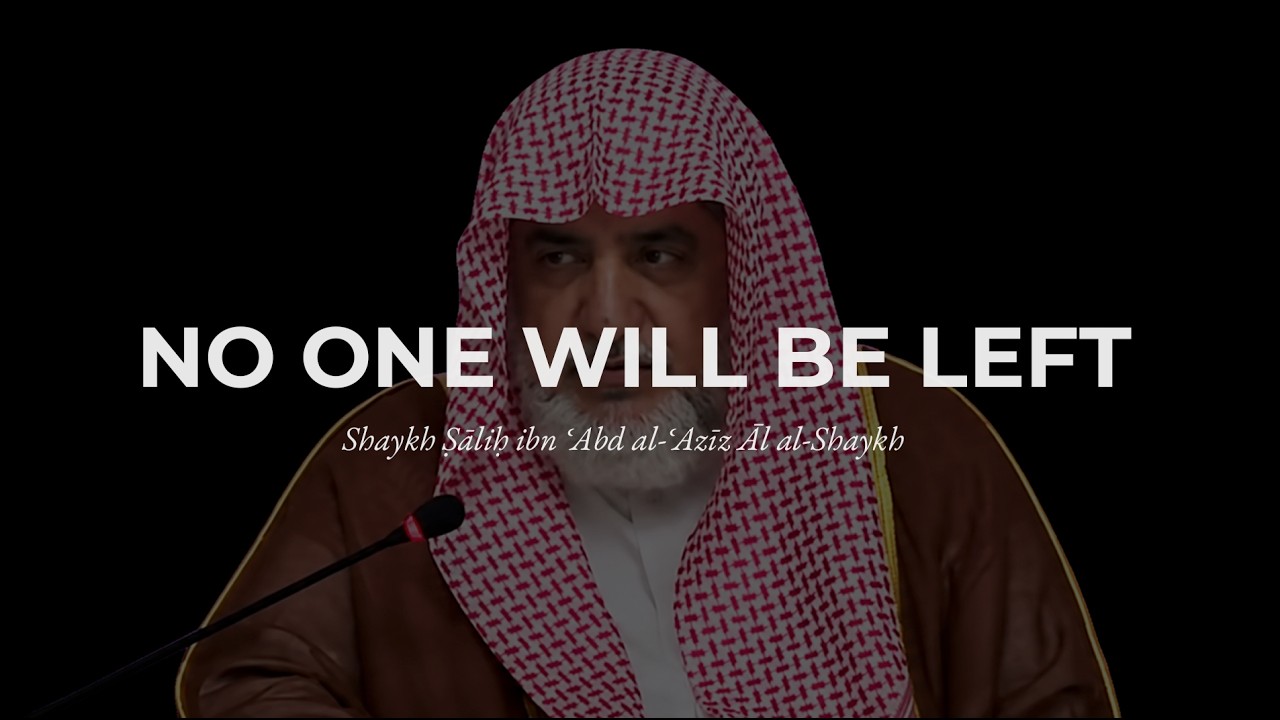
Shaykh Sulayman ibn Abdullah Abul-Khayl How do we refute a person who says that Dā`ish (isis) take their ideology from the books of Ibn Taymiyyah and Muḥammad ibn `AbdulWahhāb? This comment is proven false by the statements of these two Imāms and eminent scholars. Because, when you investigate the compiled works of Sheikh ul-Islām, Ibn Taymiyyah, you find them to be, amongst compiled works, the most frequent in their warning against unorthodox practices (bida`), sectarian parties, groups and all things that disagree with the religion of Aḷḷāh - `Azza wa Jall. They are also, amongst written works, the most frequent in their call to unity, harmony, sticking the main body of Muslims and their leaders, and in their prohibition of revolting against them for any reason whatsoever and no matter what the motivations and justifications for that may be. Judging any particular thing depends on having the whole picture. If only the one who made this comment went back to these books, read them, delved into them and carefully examined their concepts and principles, without any bias or injustice, they would realise this as a clear truth. However, as Sheikh ul-Islām Ibn Taymiyyah says, desires sweep away religions, and Aḷḷāh - `Azza wa Jall – says: As for those whose hearts are perverted, they follow its obscurities, in an attempt to cause confusion and conflict and in an attempt to make their own [false] interpretation.' [Āl `Imrān 3:7] This is why these people follow this path and methodology, and therefore distort, dupe, forge, confuse and “hide the poison in the honey” so that they can distance people from this flawless methodology. As for Sheikh ul-Islām, Muḥammad ibn `AbdilWahhāb, many lies have been fabricated against him, and many claims and falsities have been made against him. This, for no reason other than that he called to pure Tawhīd and a return to the sanctities of this religion, which are drawn from the two noble forms of revelation, the rules of Aḷḷāh’s legislation and the boundaries that He set. This angered some of his detractors both in the Arabian Peninsula and outside it. However, as someone said, ‘when Aḷḷāh wants to expose a virtue it is concealed first, and he gives it the voice of one filled with envy.’ Enough of a refutation for us against those who ascribe these lies to Muḥammad ibn `AbdilWahhāb is the fact that he refuted them himself. He had twelve lies fabricated against him, amongst which is their claim that the Sheikh excommunicates people, that he does not recognise the four schools of jurisprudence**, that he believes there is no longer room for determination of legal rulings, that he says that anyone who does not make hijrah to him is not a Muslim, that he excommunicated al-Quṣayriyy, that he believes that the Prophet’s room should be demolished and that the Ka`bah’s rain gutter should be changed, along with other things that were attributed to him during his time. He once listed them and then said at the end, ‘Subhānaka, this is such great slander.’ The truth is clear and falsehood is incoherent, and to that effect, Imām Muḥammad ibn `AbdulWahhāb says, confirming his creed, methodology and approach, ‘we are followers of and biased to what is in the Book and the Sunnah, and that which has been reported from the Salaf of this ummah.’ His sons, Sheikhs Hasan and `Abdullāh, said about him, ‘the creed of Sheikh Muḥammad ibn `AbdilWahhāb is the creed of Ahl us-Sunnah wal Jamā`ah, which is derived from the Book of Aḷḷāh and the Sunnah of His Messenger, and he follows the path of the Salaf, which is the most informed, wisest and secure path.