
11.8K subscribers
1,038 views·
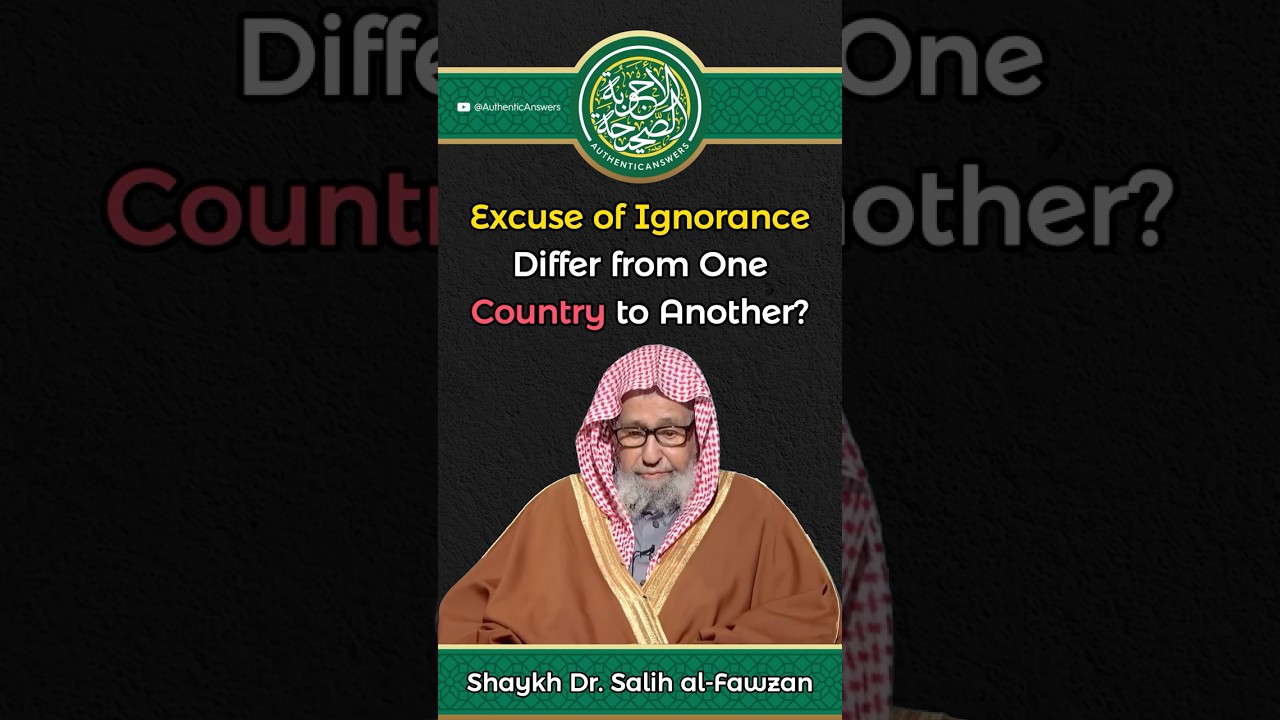
📌 In this clear and detailed fatwa, Shaykh Salih al-Fawzan refutes a common doubt used by the contemporary Murji'ah to claim that a person who commits shirk remains a Muslim. They argue that before someone who openly commits shirk or kufr can be outwardly judged as a kafir, the proof must first be established against him through discussion. Until then, they insist that he must continue to be regarded as a Muslim. ⚠️ This understanding is false! The distinction is between the outward ruling based on apparent actions and the inward question of accountability and excuses. 1️⃣ A person who commits major shirk while living among Muslims: He is judged to be a kafir both outwardly and inwardly. 2️⃣ A person who commits major shirk in a remote land where the Quran has never reached him: He is outwardly judged to be a mushrik from Ahl al-Fatrah, while his inward affair and ultimate fate are left to Allah. ⚠️ In neither case is the person outwardly regarded as a Muslim. The fundamental principle is that whoever openly commits shirk akbar is judged according to what is apparent from his statements and actions. He is outwardly a mushrik. As for excuses relating to ignorance, understanding, and accountability, these are separate matters that do not change the outward description of the act. In worldly legal matters: The relevant authorities and courts examine applicable conditions and impediments before imposing legal punishments. In the Hereafter: Allah alone judges a person's inward state, excuses, and ultimate accountability. ✅ We judge according to what is outwardly apparent, rather than what we assume to be hidden in the heart. ❌ The contemporary Murji'ah, however, confuse these two matters by making the outward ruling dependent on assumed inward excuses or requiring proof that such excuses are absent before applying the outward ruling. ━━━━━━━━━━━━━━━━━━━━━━ 📌Source: 159- هل يُعذَر عُبَّاد القبور بعُجمة الأفهام؟ - صالح الفوزان https://www.youtube.com/watch?v=RZHqqI5Vc28 ━━━━━━━━━━━━━━━━━━━━━━ ⚠️ The Murjiah confuse the outward ruling with the inward ruling. ✍ The Permanent Committee for Islamic Research and Fatwas in Saudi Arabia. Fatwah no. 4400: 👉 (❗) "So clarifying the matter and establishing the proof (Iqāmat al-hujjah) is for the purpose of removing any excuse before carrying out the PUNISHMENT upon him, NOT in order for him to be called a kafir only after the clarification. 👉 (❗) Rather, he IS CALLED a kafir based on the outward act he committed. Such as prostrating to other than Allah, vowing as an act of worship to other than Him, or slaughtering an animal, like a sheep, for other than Allah.” 📚 Source: Kitāb Fatāwā al-Lajnah al-Dāʾimah – First Collection, vol. 1, p. 220 ━━━━━━━━━━━━━━━━━━━━━━ ✅ The methodology of Ahl al-Sunnah wal-Jamaah: The outward ruling is based exclusively on statements and actions. Matters of the heart are only considered in punishment and the final judgment, in this world by the judge and in the Hereafter by Allah. ✍️ Al-Hafidh Ibn Hajar al-Asqalani (d. 852H) in Fath al-Bari (12/272), transmitting consensus: وكلهم أجمعوا على أن أحكام الدنيا على الظاهر، والله يتولى السرائر “THEY ALL UNANIMOUSLY AGREED that worldly rulings are based upon what is outwardly apparent, while Allah alone takes charge of what lies within.” End Quote ✍️ Shaykh al-Islam Ibn Taymiyyah (d. 728H) said in As-Sarim al-Maslul (2/339): فمن قال أو فعل ما هو كفر, كفر بذلك، وإن لم يقصد أن يكون كافرًا، إذ لا بقصد الكفر أحدّ إلًّا ما شاء الله. “Whoever says or does that which is kufr, then he becomes a kafir by that itself, even if he did not intend to become a disbeliever, for no one intends kufr except whom Allah wills.” End Quote ━━━━━━━━━━━━━━━━━━━━━━ ✦ Authentic and True — From the Scholars to You ✦ ━━━━━━━━━━━━━━━━━━━━━━ #Islam #Quran #Sunnah #Aqeedah #Salafi #salafiyyah #Bidah #IslamicAdvice #IslamicReminders #SeekingKnowledge #Tawheed #Muslim #Fiqh #scholarsofsunnah #AhlusSunnah #IslamicClips