9.9K subscribers
374 views·
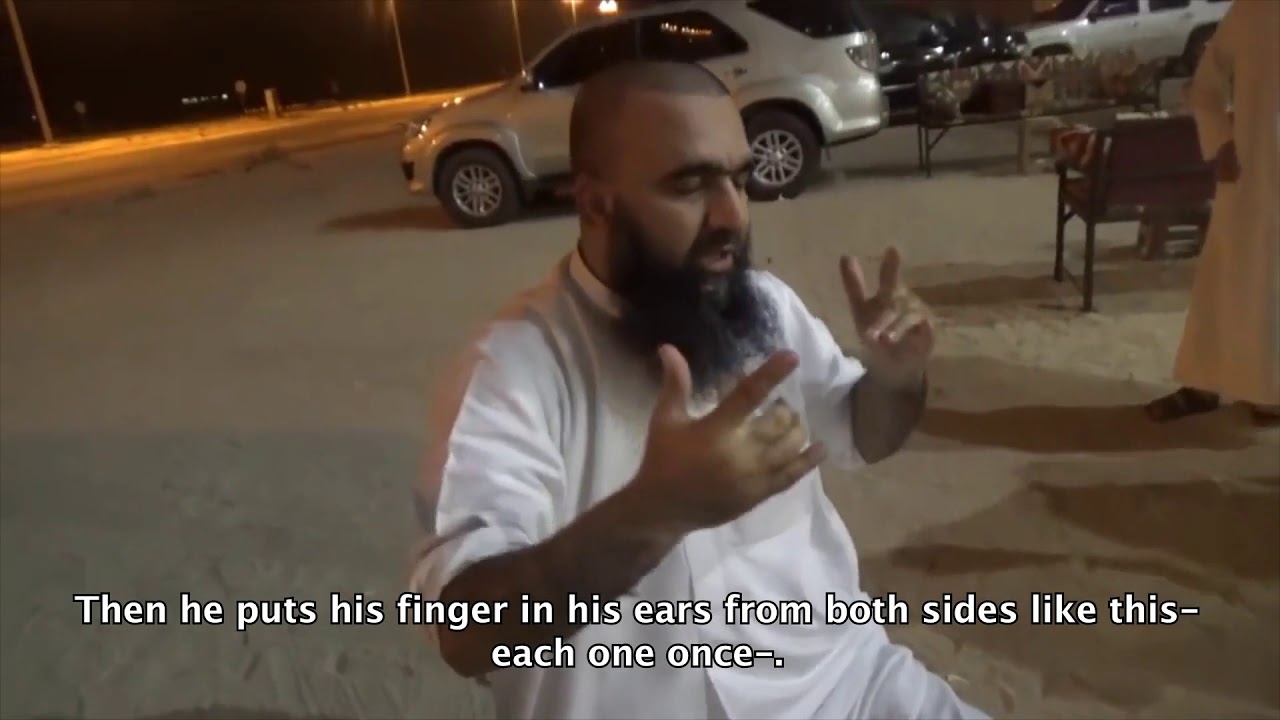
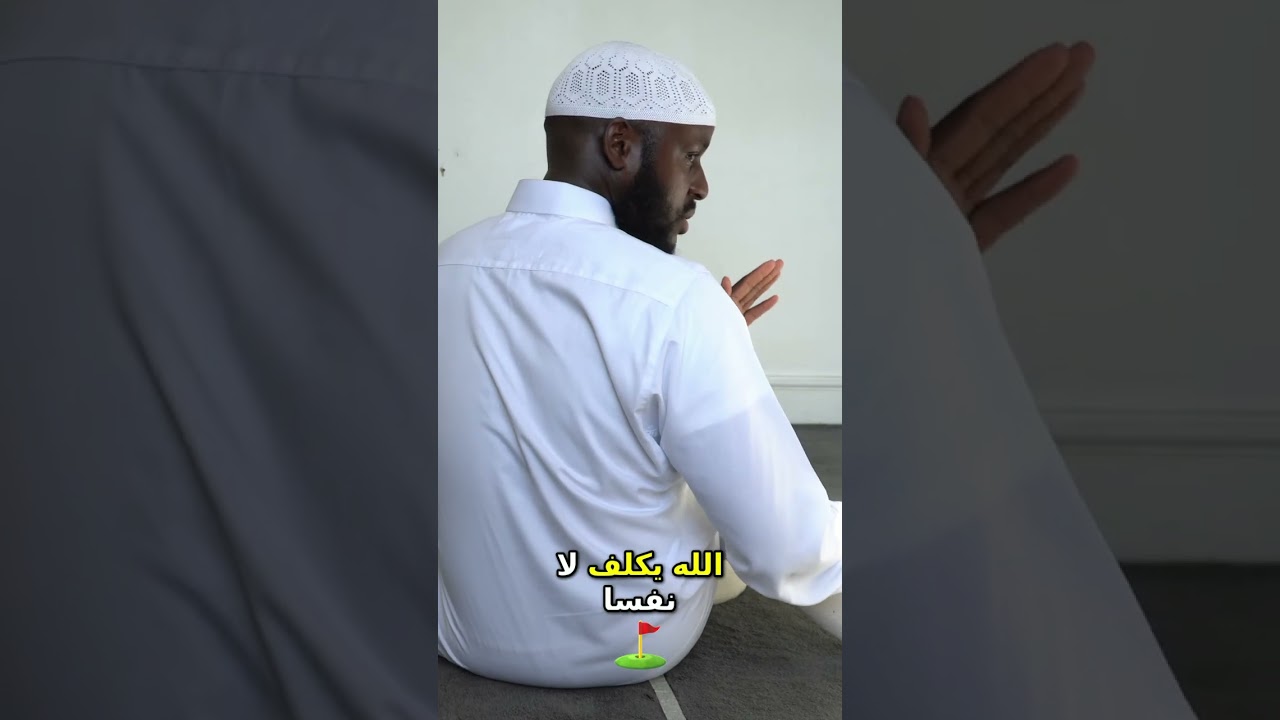
التشهد عملياًA Demonstration of Tashahhud وضعية اليدين والأصابع في التشهد The position of the hands and fingers in Tashahhud. يعني يضع كفه اليمنى على فخذه So, he (the prayer) places his right palm on his thigh. هذا الفخذ. تشوفون أنتم الفخذ هذا؟ يضع يده هكذا. This is the thigh. Do you see this thigh? He puts his hand like this. عشان تشوفون أنت بعد. So, you could also see. يعني،يضع يده على فخذه. هذا الفخذ.احيانا يضع اليد على الفخذ و أحيانا يضع اليد على الركبة. هذا ثابت وهذا ثابت So, he puts his hand on his thigh. This is the thigh. He sometimes puts the hand on the thigh and sometimes on the knee; both are confirmed (i.e., by the Prophet ﷺ). إذا هاتان صورتان في وضع اليمين و الشمال إما على الفخذين و إما على الركبتين So, these are two ways of putting the right and left hands either on the thighs or on the knees. طيب، وضع كفه اليمنى على فخذه وضعا هكذا. ووضع كفه اليسرى على فخذه اليسرى. نعم ، باسطها عليه . نعم Okay. He put his right palm on his thigh like this, and he put his left palm on his left thigh. Yes. Extending it (the hand) on the thigh. Yes. و كان ﷺ يضع حد مرفقه الأيمن على فخذه اليمنى And he (the Prophet ﷺ) used to put the end of his right elbow on his right thigh. يضع حد مرفقه الأيمن عل فخذه الأيمن. هذا إذا كان الوضع على الفخذ He (the Prophet ﷺ) puts the end of his right elbow on his right thigh; this is if the placement was on the thigh. و أما إذا كان على الركبة، فلا يمكن الوضع لأنه سيمتد اليد However, if the placement was on the knees, then this placement would not be possible as the arm would extend. بالنسبة لبسط الكف اليسرى على الركبة اليسرى. هذا البسط And concerning the extension of the left palm on the left knee; this is the extension. شوف هذا البسط الآن، و هذا الفخذ See now this is the (hand) extension, and this is the thigh. وضع يده على الفخذ بهذه الطريقة He (the person praying) put his hand on the thigh this way. ثم يقبض أصابع كفه اليمنى، He then clenches the fingers of his right hand. يقبض،هذا يسمى قبض ، هذا يسمى قبض. هذه قبضة الرجل ، يقبض أصابع كفه اليمنى، و يشير بإصبعه التي تلي الإبهام. Clenches, this is called clenching, this is called clenching. This is a man's fist. He clenches his right-hand fingers, and points with the finger that follows the thumb. إذا القبض هكذا، و يشير بأصبعه. So clenching is like this, and he points with his finger. هذه الإشارة الآن .مقبوض كله و هذه مشار إليها Now this is pointing. It (the palm) is all clenched and this is pointed to. اذا هذه صفة واردة عن النبي ﷺ و أحيانا يحلق . So, this is a confirmed way reported that the Prophet ﷺ (used to do). And sometimes he makes a ring. وهذا هو التحليق. أحيانا يحلق. This is making a ring (with his fingers). Sometimes he(ﷺ) makes a ring. إذا أحيانا يقبض هكذا بدون تحليق و أحيانا يحلق. So, he sometimes clenches like this without making a ring, and sometimes he makes a ring. و يشير بإصبعه التي تلي الإبهام اللي هو المسبحة أو السبابة ، أما اليسرى فيبقى على ما هو عليه. And he points with the finger that follows the thumb which is (the Mosabiha) or the index. However, the left hand remains as it is. وكان يرفع إصبعه ، يحركها، يدعو بها. And he used to lift his finger, and move it; making Du’a (praying) with it. يحركها , يدعو بها. he moves it; making Du’a with it. يحركها وصف للأسباب. Moving it is a description of the reasons. يدعو بها سبب للتحريك. Praying with it is the cause of movement. لماذا يحركها ؟ يدعو بها Why does he move it? To make Du’a with it. اذا معنى هذا: أن كل ما جاءت جملة دعائية جديدة يحركها So, this means that whenever a new Du’a phrase comes, he ﷺ moves it (his index finger). التحيات لله و الصلوات و الطيبات ، السلام عليك أيها النبي و رحمة الله و بركاته، السلام علينا وعلى عباد الله الصالحين، اشهد أن لا إله إلا الله وحده لا شريك له و أشهد أن محمدا عبده ورسوله All greetings of humility are for Allah, and all prayers and goodness. Peace be upon you, O Prophet, and the mercy of Allah and His blessings. Peace be upon us and upon the righteous Ibad (worshippers) of Allah. I bear witness that there is no